News | 26/10/2023 | Event Recap

Successful event at Klinikum rechts der Isar: Latest insights on Multiple Sclerosis

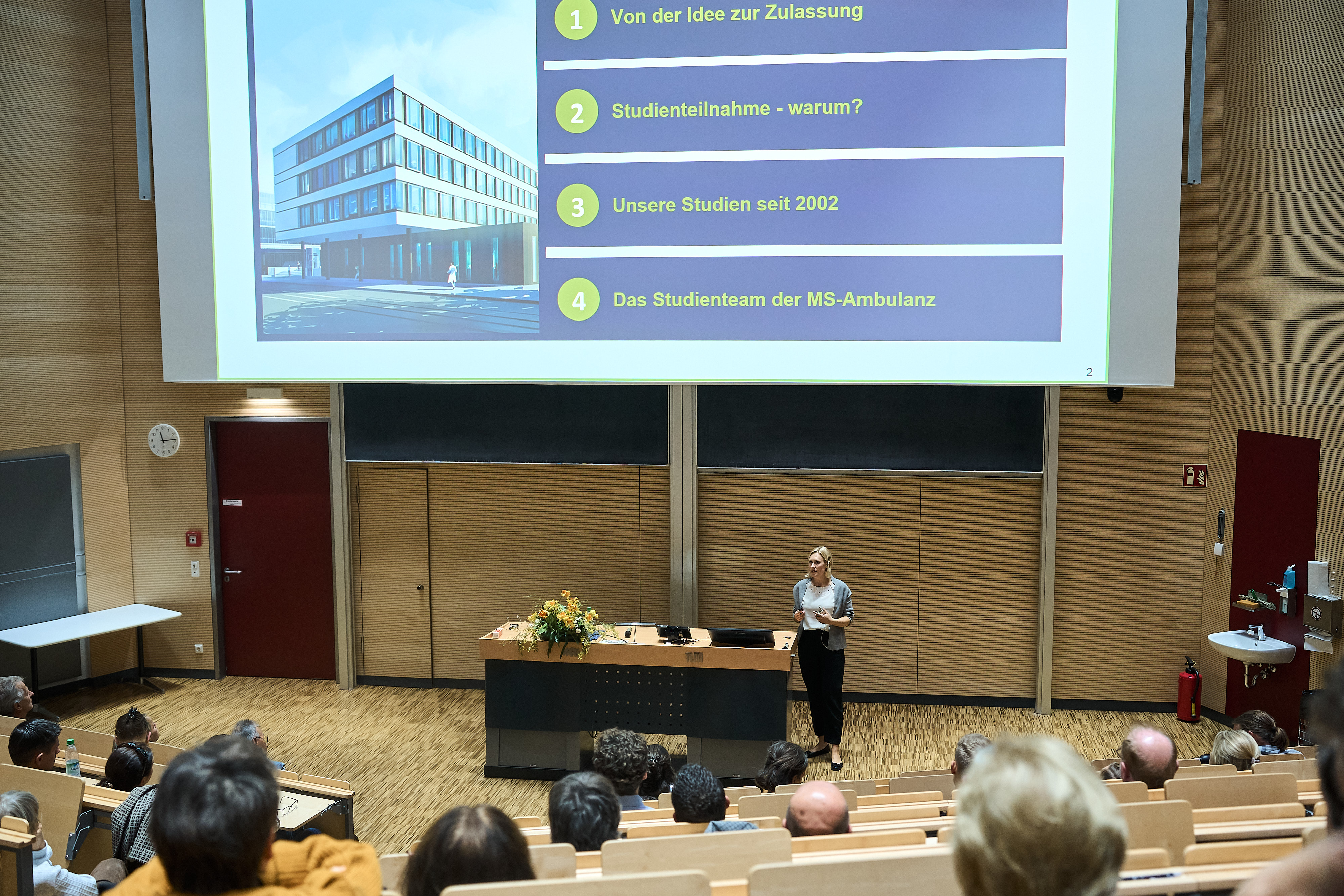
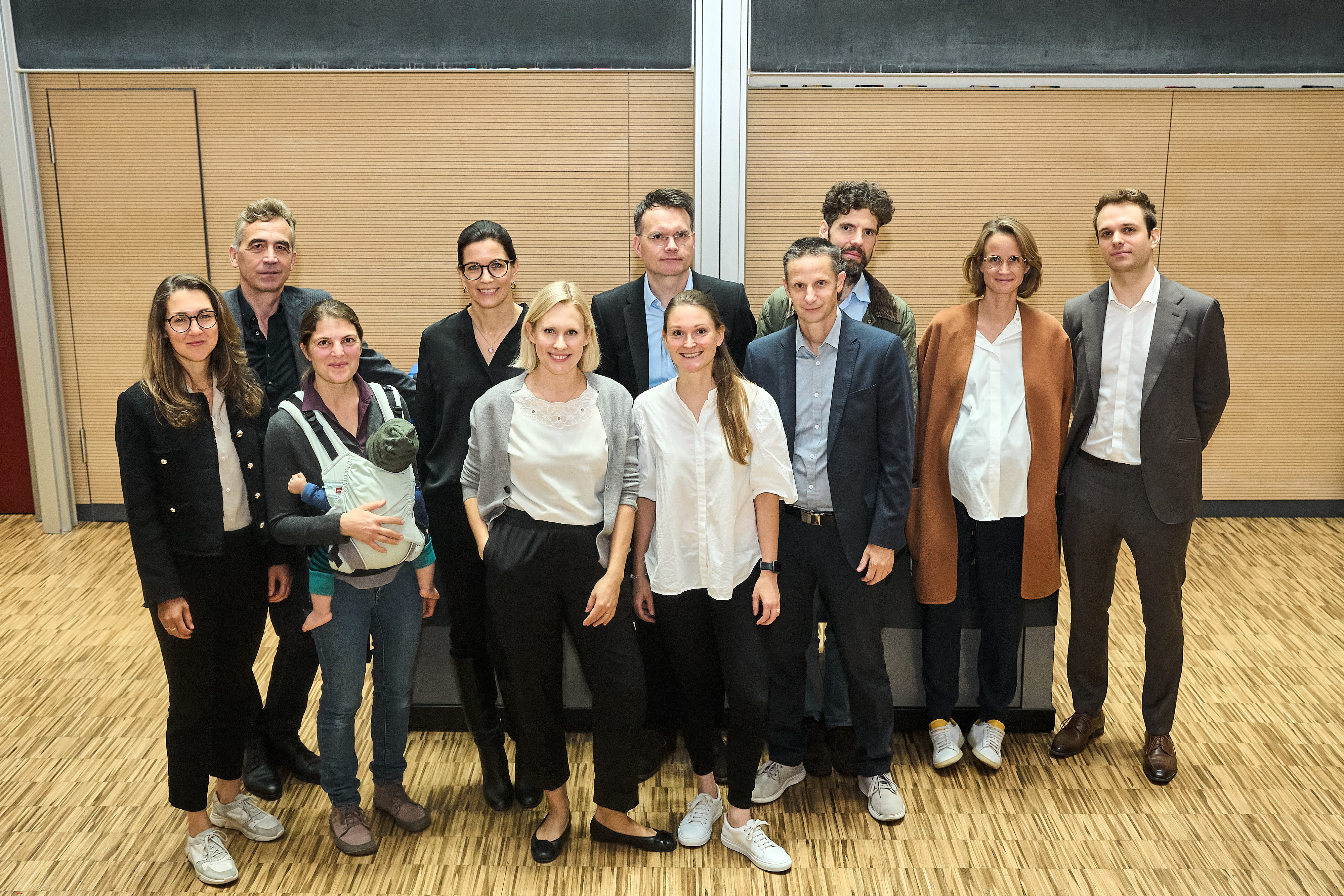
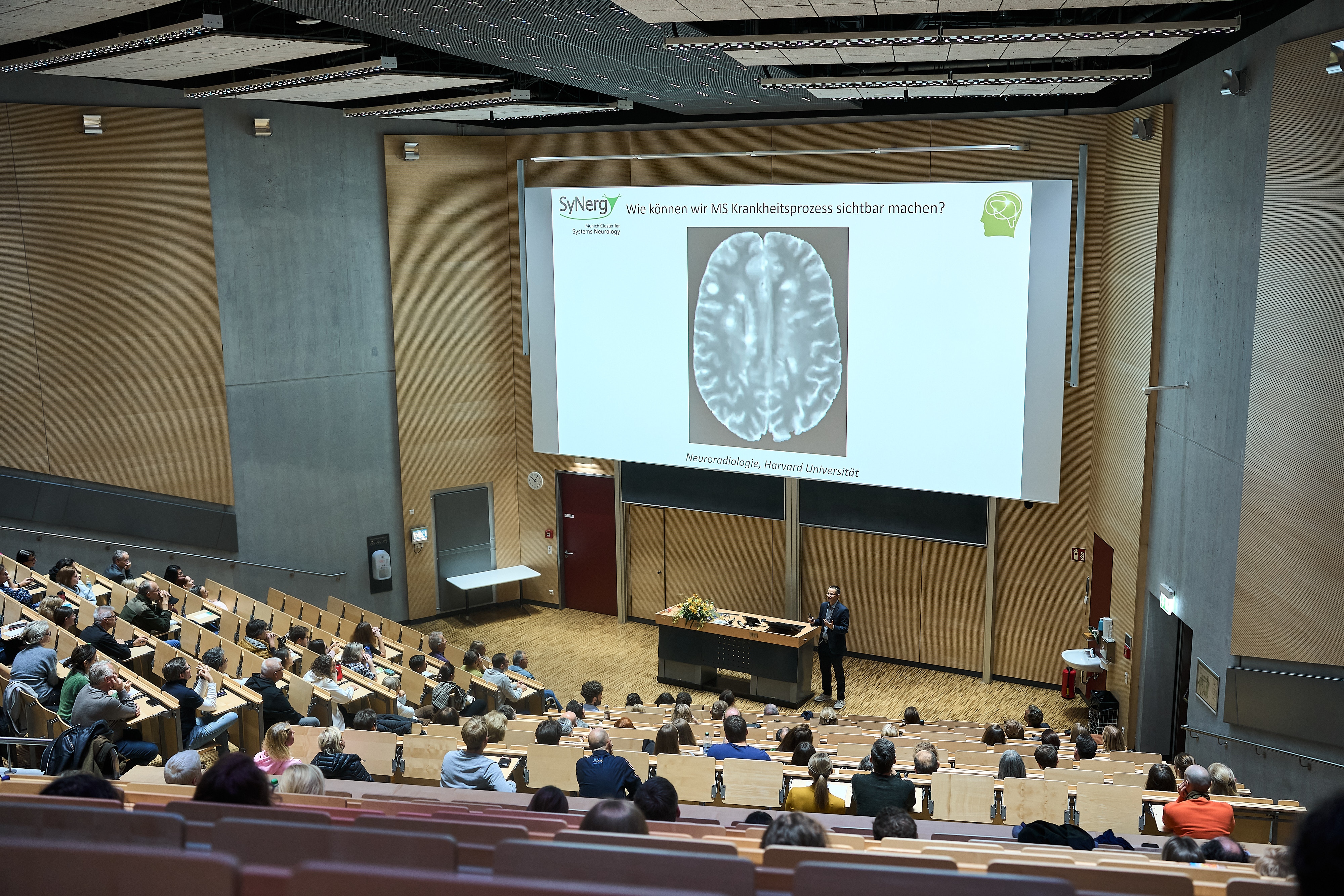
On Saturday, 21 October, an event on multiple sclerosis entitled 'Multiple Sclerosis Research - What's New?' was organized by and held at Klinikum rechts der Isar. More than 300 patients, relatives, and interested people were informed about current MS research projects at the hospital, current results, and the latest findings on the causes and therapies of MS.
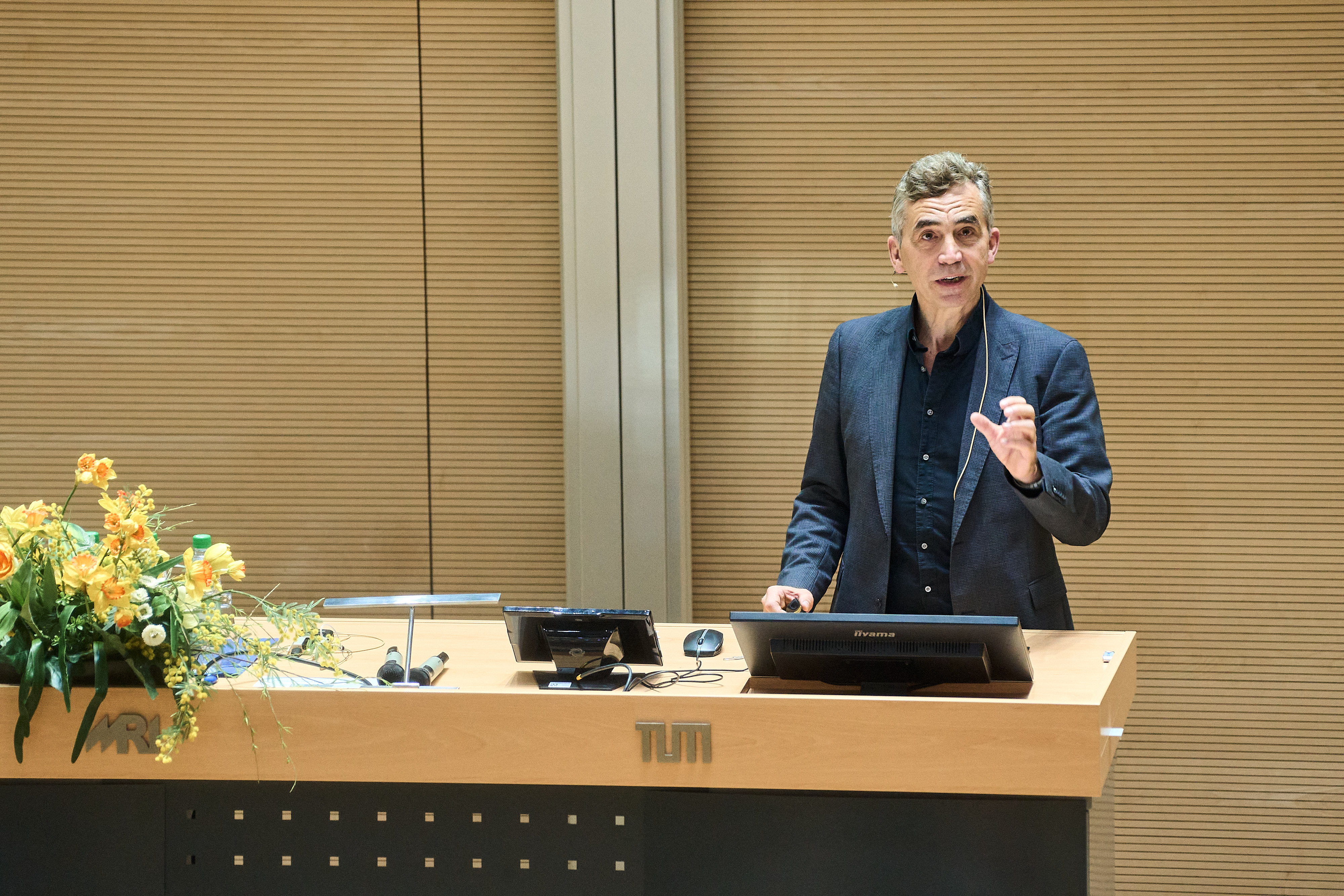
Prof. Bernhard Hemmer

From important aspects of family planning in MS to the influence of hereditary factors and genes on the course of the disease – more than ten presentations addressed the latest research insights. "Many participants participate in our studies and thus significantly contribute to multiple sclerosis research. They help us answer important questions to better understand and treat the disease. It is important to us to give them a look behind the scenes – both indirectly, by showing what new insights we have gained thanks to their participation, and directly, through laboratory tours," explains Prof. Dr. Bernhard Hemmer, Director of the Neurological Clinic, Klinikum rechts der Isar.

Prof. Dr. Hemmer moderated the day and explained in his lecture, for example, that gene variations are associated with the severity of the disease course and what (new) therapeutic options are available to patients. Prof. Dr. Martin Kerschensteiner from the Ludwig-Maximilians-University Munich was invited as an external guest speaker. He offered insights into the pathogenesis of MS: he showed how through his work the MS disease process can be visualized by labeling nerve and inflammatory cells in the brain and analyzing them in real-time in the tissue instead of with single images.

During breaks, attendees could interact with speakers and sign up for research projects. The event concluded with tours of the research labs and the opportunity to visit the new MS outpatient clinic space.

Overall, the event and the exchange between research and patients was a great success. "We plan to offer the MS Day again next year," Hemmer said. "Educating people about research is very important to us. Moreover, the question-and-answer sessions and conversations with the participants provide important impulses for our research and the care of our patients in the clinic."

Impressions of the day: